Where Fitness fits into Wellness in the Workplace

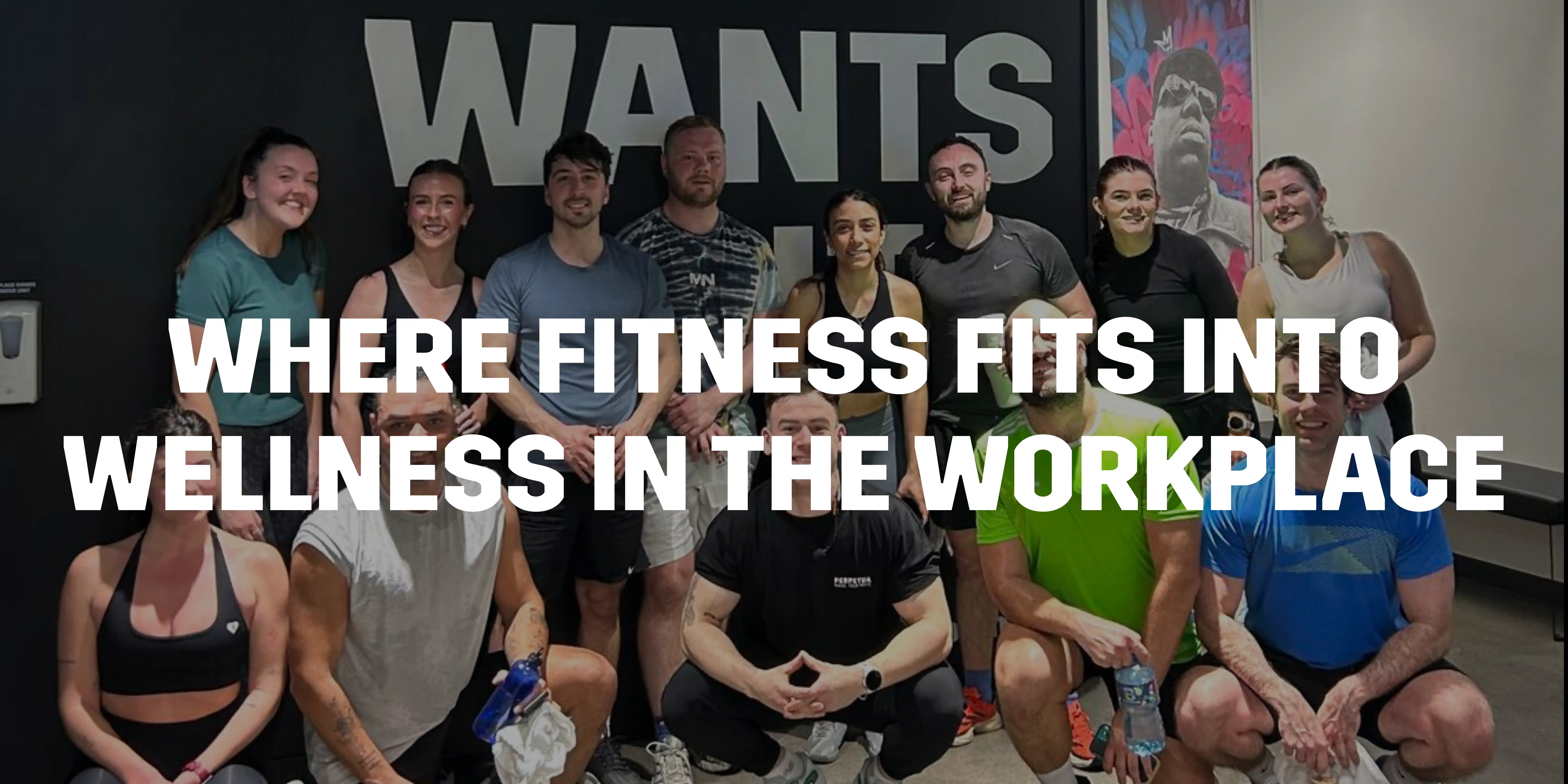
Wellness in the workplace” can mean a lot of different things.
For some companies, it might be a once-off wellbeing day or a few perks added to an employee benefits package. For others, it is a more structured approach to helping people stay active, connected and supported throughout the working week.
The difference usually comes down to how useful the programme is in practice.
A good approach to wellness in the workplace should be easy to take part in, relevant to employees and consistent enough to become part of how people work, rather than something that gets forgotten after launch.
What wellness in the workplace actually means
It is about creating an environment that supports employees physically, mentally and socially.
That can include fitness, nutrition, recovery, stress management, social connection and wider support around health and wellbeing.
It does not necessarily mean adding more perks.
A workplace can offer plenty of benefits and still have low participation if employees do not see them as useful or find them difficult to access.
The stronger programmes tend to focus less on the number of benefits available and more on how easily employees can actually use them.
Why wellness in the workplace matters
The way people work has changed significantly.
Hybrid working, flexible schedules and more screen-based roles have given employees greater flexibility, but they can also mean more time sitting, fewer opportunities to interact with colleagues and less separation between work and home.
That has made workplace wellness more relevant to employers looking at how they support their teams.
It is also becoming a more important part of employee experience. People increasingly look at the wider working environment when deciding where they want to work and whether they want to stay.
For employers, that means wellness in the workplace is no longer just an extra benefit. It can form part of how a company approaches culture, engagement and retention.
What effective workplace wellness looks like
The programmes that tend to work best share a few common features.
They are consistent
A once-off wellness day can be useful, but it rarely changes much on its own.
Regular opportunities are more likely to become part of an employee's normal routine.
That could mean weekly classes, monthly wellness sessions, ongoing studio access or a programme that changes throughout the year.
Consistency gives employees the chance to actually use the benefit rather than only hearing about it once.
They give employees a choice
Not everyone wants to take part in wellness in the same way.
Some employees will enjoy training with colleagues, while others may prefer to book a class independently. Some might be interested in nutrition or recovery, while others are more likely to use a fitness benefit.
Giving people different ways to take part makes the programme more relevant across a wider team.
They are easy to access
Even a good programme can struggle if taking part is inconvenient.
Timing, location, booking and communication all matter.
If employees have to go out of their way to use a benefit, participation is likely to drop. The easier it is to fit into the working week, the more useful it becomes.
They are inclusive
Workplace wellness should not feel like it is only designed for employees who already train regularly.
Teams will naturally include different ages, fitness levels, schedules and preferences.
A good programme should give people an easy way to join in at a level that suits them.
Where fitness fits into wellness in the workplace
Fitness works particularly well as part of a workplace wellness programme because it gives employees something practical they can take part in.
But that does not have to mean giving everyone the same gym membership or putting the whole team through the same workout.
For one company, the right approach might be regular private team sessions. For another, flexible studio credits may work better because employees have different schedules. A wider wellness programme could also combine fitness with sessions on nutrition, recovery, sleep or other areas of health.
The important thing is that the format suits the people using it.
A team with different ages, fitness levels and working patterns is unlikely to engage with a one-size-fits-all programme.
Giving employees different ways to take part makes wellness in the workplace more accessible and gives people more control over how they use it.
Group fitness can also support team connection
One of the advantages of workplace fitness is that it gives colleagues an opportunity to spend time together outside their normal working environment.
That can be particularly useful for hybrid teams or larger organisations where people may not interact regularly across departments.
A private team session gives people something shared to do without it being another meeting, presentation or work event.
The fitness element matters, but so does creating an opportunity for colleagues to spend time together in a different setting.
Wellness does not need to be complicated
A good workplace wellness programme does not need dozens of different initiatives.
In many cases, a smaller number of useful options will work better.
That might mean regular team training, flexible access employees can use themselves and occasional larger wellness events throughout the year.
The main thing is that employees understand what is available and can easily make use of it.
A simple programme that people regularly use is more valuable than a long list of benefits that rarely get touched.
How to know if your workplace wellness programme is working
Participation is one of the clearest indicators.
If employees regularly use the programme, that is usually a good sign that it fits their needs.
It is also worth asking employees directly.
Simple feedback on what they use, what they enjoy and what they would like to see more of can help employers improve the programme over time.
The aim should not be to introduce wellness initiatives and leave them unchanged indefinitely.
As teams and working patterns change, the programme should be able to change with them.
How Perpetua can support wellness in the workplace
At Perpetua, we help companies build fitness and wellness into the working week in a way that is flexible and easy for employees to use.
Our private team sessions give colleagues the chance to train together in a dedicated setting.
Our studio credits give employees the flexibility to book sessions around their own schedule.
We also run corporate wellness events that can combine fitness with expert-led sessions across areas such as nutrition, recovery and wider wellbeing.
The right approach will look different for every organisation.
If you are reviewing wellness in the workplace and want to build something your team will actually use, speak to the Perpetua corporate team.
Latest Articles
How Exercise Supports Employee Mental Health
Of all the levers a company can pull on employee wellbeing, physical activity is one of the most reliable. The...
Read article
What Is Corporate Wellness? A Practical Guide for Dublin Employers
Your team's been quiet on Slack, sick days are creeping up, and someone in the leadership meeting just said "w...
Read article
Corporate Team Bonding Ideas That Actually Work
The end-of-quarter dinner. The Christmas night out. A pub quiz around the corner. Most corporate team bonding ...
Read article