RIDE45 Blog Post
The importance of metrics in RIDE45
If you have been to RIDE45 before, you will be well aware of the data on the Keiser M3 bike’s display as well as the Keiser Group App - which is on the screen. It can be a little daunting seeing a multitude of numbers and unfamiliar words/symbols, so the point of this blog is to detail what each of the metrics and why they are important.
Now the word, “metric”, simply refers to the measurement of a unit. For all of the units that get measured in RIDE45, if they improve over time, the rider is becoming fitter, stronger, more powerful etc.
So ultimately, the importance of metrics is to show our riders in numbers how well they performed in a class. And using this data, they can compare previous and future classes and ideally show a trend of improvement.
So, what metrics should you look out for?
Distance (Km):
Distance which is measured in kilometres and displayed at the end of class is an easy metric to follow and some riders like having a target for the class. The Keiser M3 measures distance by total pedal rotations. Typically, a rider will fall somewhere between 14km and 22km. This wide range is based on the variance between people and just know your number is specific to you.
It is worth noting that every class is a little different so it’s unlikely you will get the same distance. For example: if there are more intense intervals followed by rest, you like likely travel shorter distance than doing endurance work. However, you should look for your best “score” in terms of distance to improve over time.
Calories (kCal):
Calories are a unit of measuring energy. Frequently after class, there are questions as to why the calories on the screen are less than the calories on a fitness tracker. For the Keiser M3 bike, the calories do not tell you how many calories you have burnt in a class, rather the amount of energy it took to move the pedals during the class. In order for you, as a rider, to generate the force needed to push the pedal will differ person to person.
Using calories as your metric can be a more precise unit of measurement than using distance because it won’t matter what style of class you complete; it will be about how much energy is required to move the pedals.
Watts:
A Watt is a measurement of power over a certain time period. At the end of class, you will see your average watts for the class. Cycling enthusiasts use a metric of watts/kilogram of bodyweight. This is the most applicable method for RIDE45, and you can compare where you sit within the normal to elite ranges.
For reference: beginner males approx2 watts/kg and females 1.5 watts/kg. Professional cyclists are 6+ watts/kg for males and 5.5+ watts/kg for females.
Tips to improve your metrics:
- Consistency
- Showing up to class on a regular basis is a sure-fire way to improve your performance. Consistent classes will improve your technique and understanding in order to push past your boundaries.
- Strength Training
- Simply, if you become stronger, you will be able to apply more force to the pedals which will improve your performance.
- Particular movement patterns to compliment regular RIDE classes:
- Squat
- Lunge
- Hinge
- Core/bracing
- Keep the gears up during rest periods
- An unexpected way to improve your output as majority of riders like to focus on working really hard when required. But if you can keep your gears up and watts higher during the recover, it is the best way to improve your metrics. The way to control this, is to make sure you can still feel resistance during recovery and keep the intensity at no more than a 4 or 5 out of 10. This will feel like there is drag on your legs, but you can still catch your breath and recover for the next bout of work.
- Explore upper end gear ranges and beyond
- During class, the coaches will make gear recommendations based on the rpm and workload. Starting to explore the top end of the range will mean that you will increase your output in comparison to previous classes. And you may even like to explore gears that are higher than the coach is recommending. It would be advisable to only take gears above the range at the maximum intensity. If you take extra gears early, you may miss out on the intended plan by the coach.
- Stay in control when sprinting
- A sprint is not an exact rpm, it is a maximum effort from the rider. Very often, coaches see guests moving as quick as they can without control. It is better to move a little slower with more resistance to achieve your maximum output.
- Start strong
- Once the warmup is complete, give the first half of the class a real go. As you have control of the gears, if it means tapering back as the class progresses, that is completely fine. We are guarding against leaving the studio with the thought of “I had more in me”.
- Fuel your performance
- This will depend on the time of day that you attend class. If you’re a morning person, ensuring you have meal that includes carbohydrates the evening or night before. If you’re an evening person, make sure your carbohydrate intake is in the region of 3-4 hours pre-class to digest and utilise your carbohydrates.
- Be patient
- Progress isn’t linear. Your performance will be affected with may external factors such as stress, sleep, menstrual cycle. You may improve class-to-class at the beginning but thereafter your metrics are generally improving month-to-month, that is great progress.
If you need any help, make sure you ask one of the coaches after class. They can provide you with guidance and even a gym program if required. Be curious, ask questions, and improve those metrics!
Latest Articles
Clipping In: Why Cleats Will Change Your RIDE
If you’ve ever wondered how to get more out of your RIDE class, more power, more control, more connectio...
Read article
Taylor Swift Spin Class Dublin - Get Your Groove On at Perpetua Fitness
Are you a die-hard Swiftie looking for a way to combine your love for Taylor Swift's music with an exhilaratin...
Read article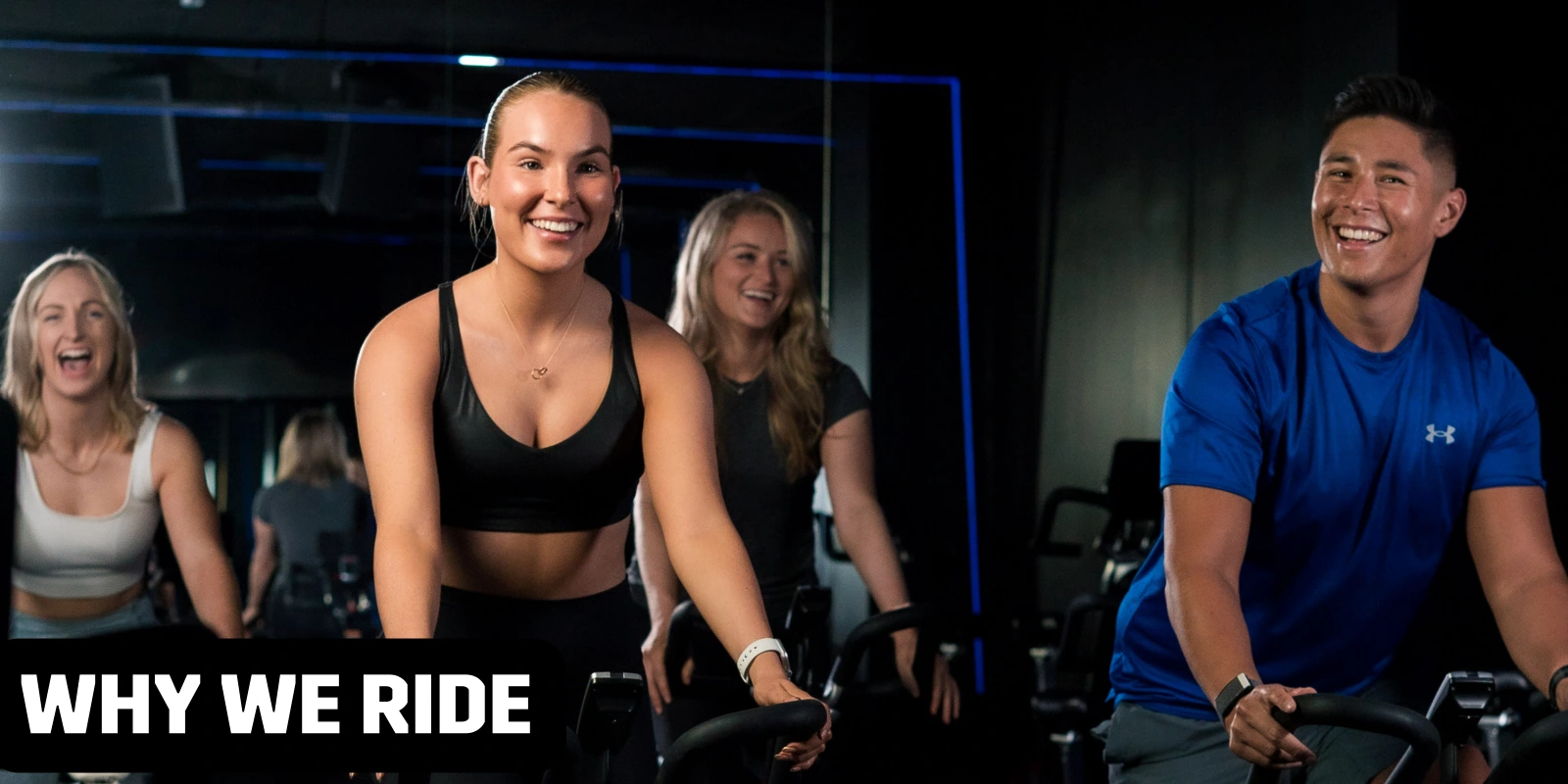
Why We Ride: Benefits of Spin Classes with Perpetua Fitness
The Journey of Community, Growth, and Well-being at Perpetua Fitness At Perpetua, our spin classes are high e...
Read article