Nutrition for Performance: Post-Exercise Recovery

Optimise your nutrition for peak performance
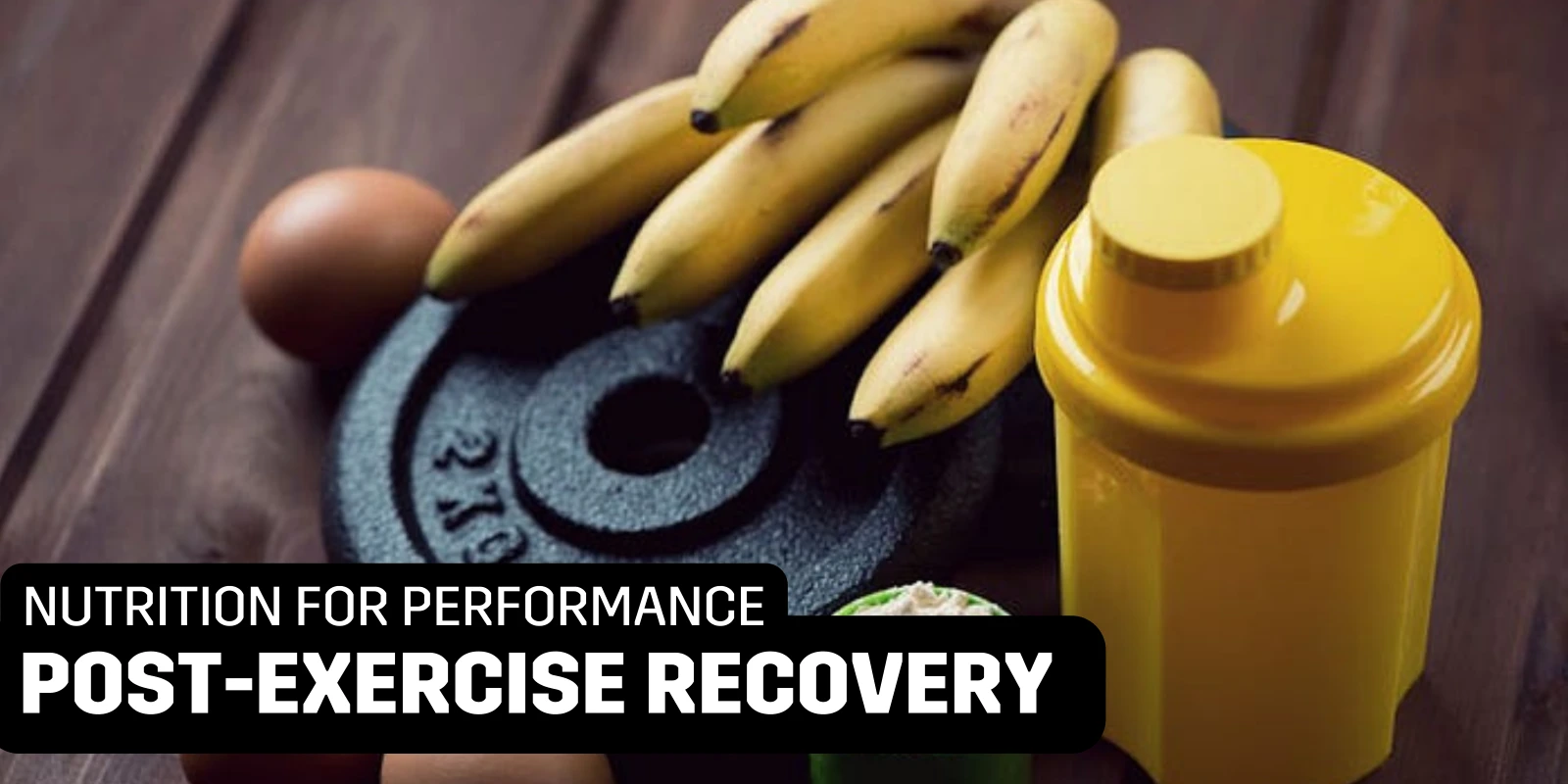
I’ve said it before, and I’ll say it again, because it’s applicable in so many aspects of nutrition - you always need to consider the bigger picture. Post-exercise recovery and post-workout nutrition are no different!
When we look at post-workout nutrition, it’s important to not just look at the time immediately following a workout but also the hours that come after, and even the hours that came before.
Key Points for Post Exercise Recovery
1. Timing of Protein Intake
Morning Workouts:
- If you train first thing in the morning, you’re likely on an empty stomach or just a light snack. Aim for a protein intake of 20g+ within 30 minutes of finishing. This is because by the time you’ve finished your workout, you probably haven’t had a portion of protein since the night before.
Afternoon/Evening Workouts:
- If you’ve had a protein-rich meal within 2-4 hours before training, it’s still beneficial to get a protein hit within 30 minutes post-workout. This ensures continuous muscle protein synthesis (MPS). The circulating amino acids from previous meals will support the recovery process.
2. Why Recovering After Exercise is Crucial
- Fat Loss: Proper recovery helps preserve muscle and prepares you better for future workouts, aiding in fat loss. Ensuring recovery aids your goal by making you more effective in subsequent workouts.
- Muscle Gain: Without adequate recovery, muscle-building efforts in the gym will be less effective. Recovery is crucial for muscle repair and growth.
- Overall Health: Effective recovery ensures exercise enhances your life and health, preventing post-exercise fatigue. Poor recovery can make you feel worse and negate the benefits of exercise.
3. Post-Workout Nutrition
There’s absolutely no right or wrong answer here. Oftentimes, especially after intense exercise, appetite is stunted and therefore opting for a liquid option over a solid food can be a good solution.
If you have the option to have a meal after training, and not just a snack such as the above, then, by all means, have a meal. Again, no right or wrong meals, have whatever you like and just make sure it has at least 20g of protein in it!
- Quick and Convenient Options: Protein shake, homemade smoothie, Mojo shake, protein milk, high-protein yoghurts. These are especially useful if appetite is stunted post-exercise.
- Solid Meal Options: Meals with at least 20g of protein, including fruits or vegetables. For instance, porridge with protein powder, eggs on toast with baked beans and cheese.
4. Protein’s Role in Muscle Recovery
Total Protein Intake:
- Ensure you meet your daily protein target, as total protein consumption is paramount. Focusing on the total protein intake is more important than just the timing of the protein intake.
Type of Protein:
- Animal-based proteins (high-biological value) are more effective in muscle recovery compared to plant-based proteins (low-biological value). This is due to the broad spectrum of amino acids in animal proteins. Therefore, you need to consume more of a plant-based protein food, and potentially a selection of foods, to consume the equivalent number of amino acids you would get from an animal-based protein food.
Timing of Protein Intake:
- Spread protein intake throughout the day in 20-30g portions to maintain MPS and regulate appetite. Achieving MPS multiple times a day is more beneficial for muscle recovery.
5. Carbohydrates and Fat
- Carbohydrates: Important if training twice a day or in close succession to replenish glycogen stores. This helps in fueling your next session effectively.
- Fats: Timing is less critical; focus on what works best for your schedule.
6. Evening Training and Sleep
Do not underestimate the importance of sleep and good sleep though. Improving your sleep will help improve your health and your overall life. If you nail your nutritional habits but don’t get enough good quality sleep, you need to reassess your priorities.
- Post-Workout Protein: Even after evening workouts, prioritise a protein snack or meal. Plan ahead if necessary to ensure you can quickly prepare or have a meal ready.
- Sleep Quality: Ensure quality sleep as it is critical for overall health and recovery. Avoid large meals immediately before bed if they affect your sleep. However, personal preference plays a significant role.
7. Additional Recovery Tools
- While tools like ice baths and saunas can aid recovery, their impact is minimal compared to good nutrition and sleep. Nutrition and sleep have a more significant influence on recovery than short-term tools.
Focus on Holistic Recovery
Regardless of your fitness goals, appropriate recovery is essential. By considering your total daily protein intake, the timing of meals, and ensuring adequate sleep, you can significantly enhance your post-exercise recovery and overall health.
Remember: Recovery Happens Outside the Gym!
Need Personalised Nutrition Coaching? Unlock your full potential with tailored nutrition plans and expert advice. Sign up for Nutrition Coaching today!
Latest Articles

What Are Macros? A Simple Guide for Anyone Starting Out
Macros, short for macronutrients, are the three building blocks of everything you eat: protein, carbohydrates ...
Read article
Refuel Right: Good Post Workout Snacks from Mojo
You’ve just finished your workout session at Perpetua. You’re sweaty, you’ve put in the work...
Read article
Protein Shake Before or After Workout
The age-old debate of whether to drink a protein shake before or after a workout is a favourite topic among fi...
Read article