How a Mum and Baby Gym Class Can Reshape Your Postpartum Year
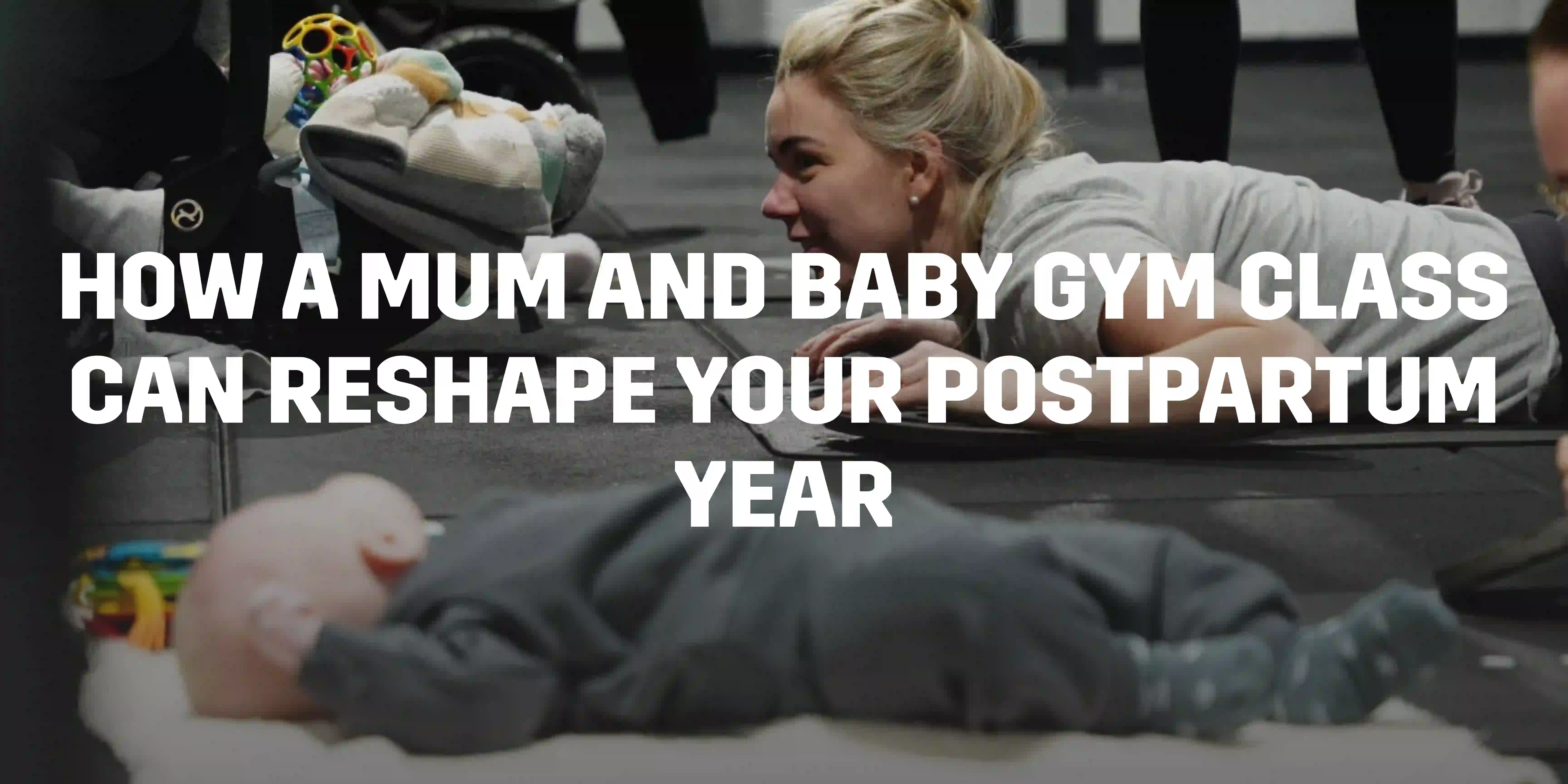
You've had your six-week check, you're (sort of) sleeping, and you're starting to wonder when you'll feel like you again. The gym feels like a lot. Childcare, logistics, the worry of doing too much too soon. That's where a mum and baby gym class comes in. Baby comes with you, the programming respects what your body's been through, and you're in a room of women going through the same thing.
Here's what to look for in a good one, when to start, what your first sessions will actually feel like, and how our postnatal sessions work at Windmill Lane.
What is a mum and baby gym class?
A mum and baby gym class is a coached group workout designed around postnatal recovery, with babies welcome in the room. Sessions usually focus on rebuilding pelvic floor and core function, restoring strength through the glutes and posterior chain, and gradually progressing toward fuller training. Babies typically come along pre-crawling, in a pram, on a mat, or in a carrier. The room is set up so you can pause to feed or settle whenever you need to.
What should you look for in a mum and baby gym class in Dublin?
Not every postnatal class is built the same. Before you book, check for these:
- A coach qualified in pre/post-natal training. A general PT cert isn't enough. Postnatal programming is its own discipline.
- Small group sizes. The coach needs to actually see how you're moving and modify in real time.
- A space set up for babies. Room for prams, somewhere clean to feed, no fuss if you need to pause.
- Programming that progresses rather than the same generic "postnatal" workout on repeat.
- A community of other mums at similar stages. This matters more than people expect.
Mum and baby gym class vs a regular group fitness class
| Feature | Mum & baby gym class | Regular group class |
| Coach qualification | Pre/post-natal specialist | General fitness cert |
| Programming focus | Pelvic floor, core, gradual loading | Calorie burn, performance |
| Group profile | Other postnatal mums | Mixed |
| Baby welcome? | Yes, room set up for it | No |
| Modification expected? | Built into every session | On request |
| Best for | First 12 weeks back to a year postpartum | Returning to full training |
When should you start exercising after birth?
There's no single right answer, but most mums in Dublin start a postnatal class between 8 and 12 weeks postpartum. Your GP sign-off at the six-week check is the baseline, but a women's health physio assessment is the gold standard, especially if you had a C-section, a difficult birth, or you're noticing anything that doesn't feel right. The HSE recommend building activity back gradually, and most postnatal clinicians suggest a physio assessment regardless of how the birth went, because pregnancy itself puts the pelvic floor and core under months of load.
What does returning to fitness postpartum actually feel like?
The first few sessions aren't about chasing the body or numbers you had before. They're about reconnecting. Breath to core, movement to body, you to yourself. Expect work on pelvic floor breathing, gentle core re-engagement, glute and posterior chain strength, and gradual loading.
Impact work like running, jumping or burpees usually waits until at least 12 weeks postpartum, and only after you've shown specific strength markers. That's the current guidance from postnatal physio research, and it applies whether you ran marathons before or never. If you're still pregnant and reading ahead, our guide to exercise during pregnancy is the better starting point.
Why does baby being there change everything?
The childcare problem disappears, and the guilt goes with it. Most babies settle into the noise and music quickly. On the days yours is having none of it, you pause, settle them, and pick up where you left off. No bother. Half the room's been there that morning. For a lot of our members, that hour becomes the best part of their week, and not always because of the workout.
How do our classes work at Windmill Lane?
Our pre/post-natal classes run at Perpetua Windmill Lane. Sessions blend strength, mobility and conditioning, scaled to where you actually are, not where Instagram says you should be. You're in a small group of mums at similar stages, and honestly, the chats afterwards are half the point. If you'd rather work 1:1 around your own schedule, we also offer personal training with coaches qualified in postnatal programming.
The biggest mistake is overthinking the start. Book one class, see how it feels, build from there.
If you'd like to chat through your specific situation first, get in touch and I'll come back to you myself.
Make your move.
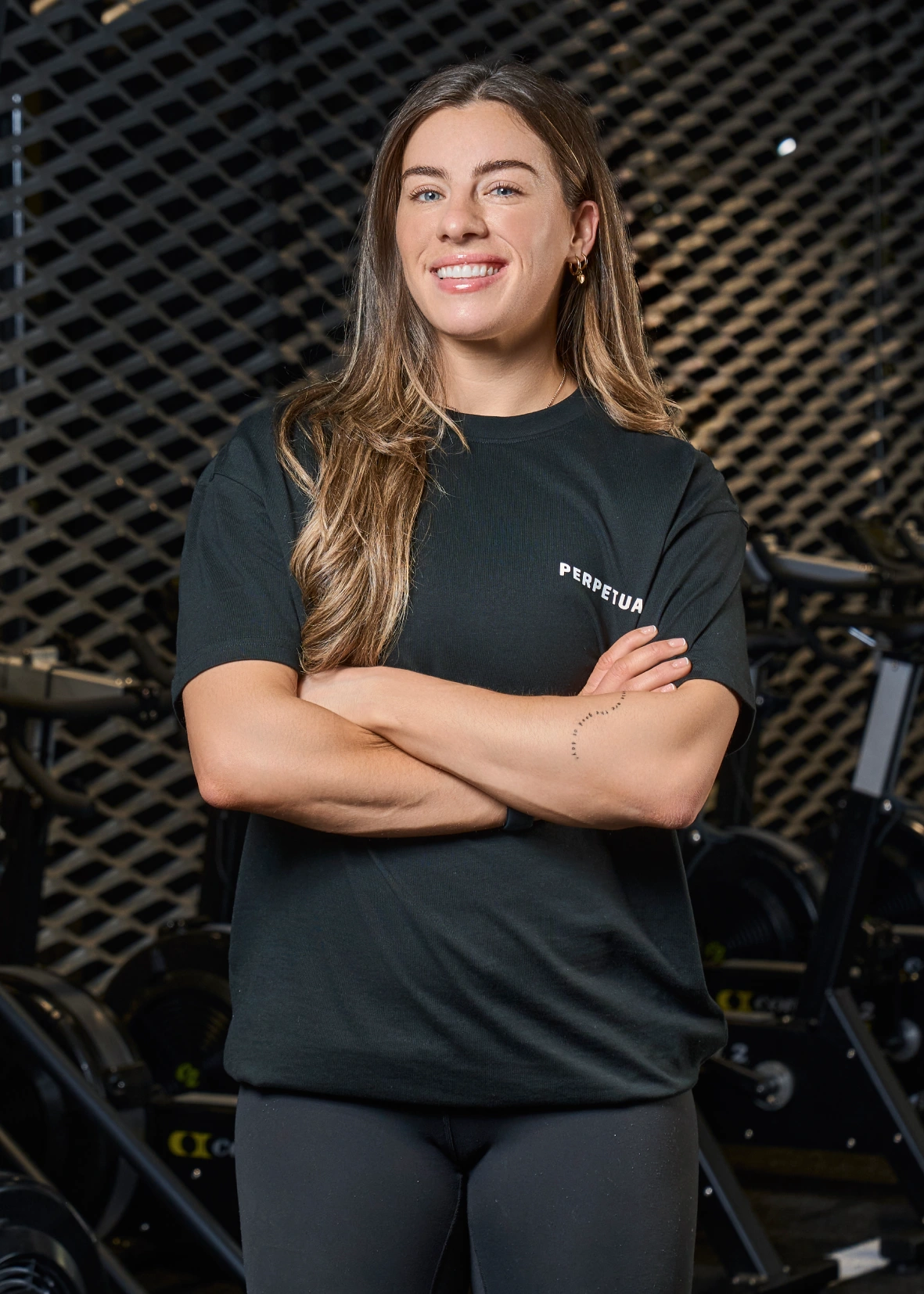
Lorraine, Head of Pre/Post Natal & HYROX at Perpetua Fitness. A CrossFit Coach, Personal Trainer, SWEAT instructor and pre/post-natal specialist.
Latest Articles
Navigating the Gym During Pregnancy: Why First Trimester Fitness Matters
Finding out you're pregnant comes with a rush of excitement and often, a whole lot of questions! Your body is ...
Read article
A Guide to Exercise During Pregnancy
Staying active during pregnancy is one of the best ways to support your physical and mental well-being, for so...
Read article
Safe Exercises during Pregnancy
Staying active during pregnancy isn’t just good for you—it’s also beneficial for your baby. ...
Read article