Fueling Your Body for Exercise: A Guide to Pre-Workout Nutrition
Optimise your nutrition for peak performance
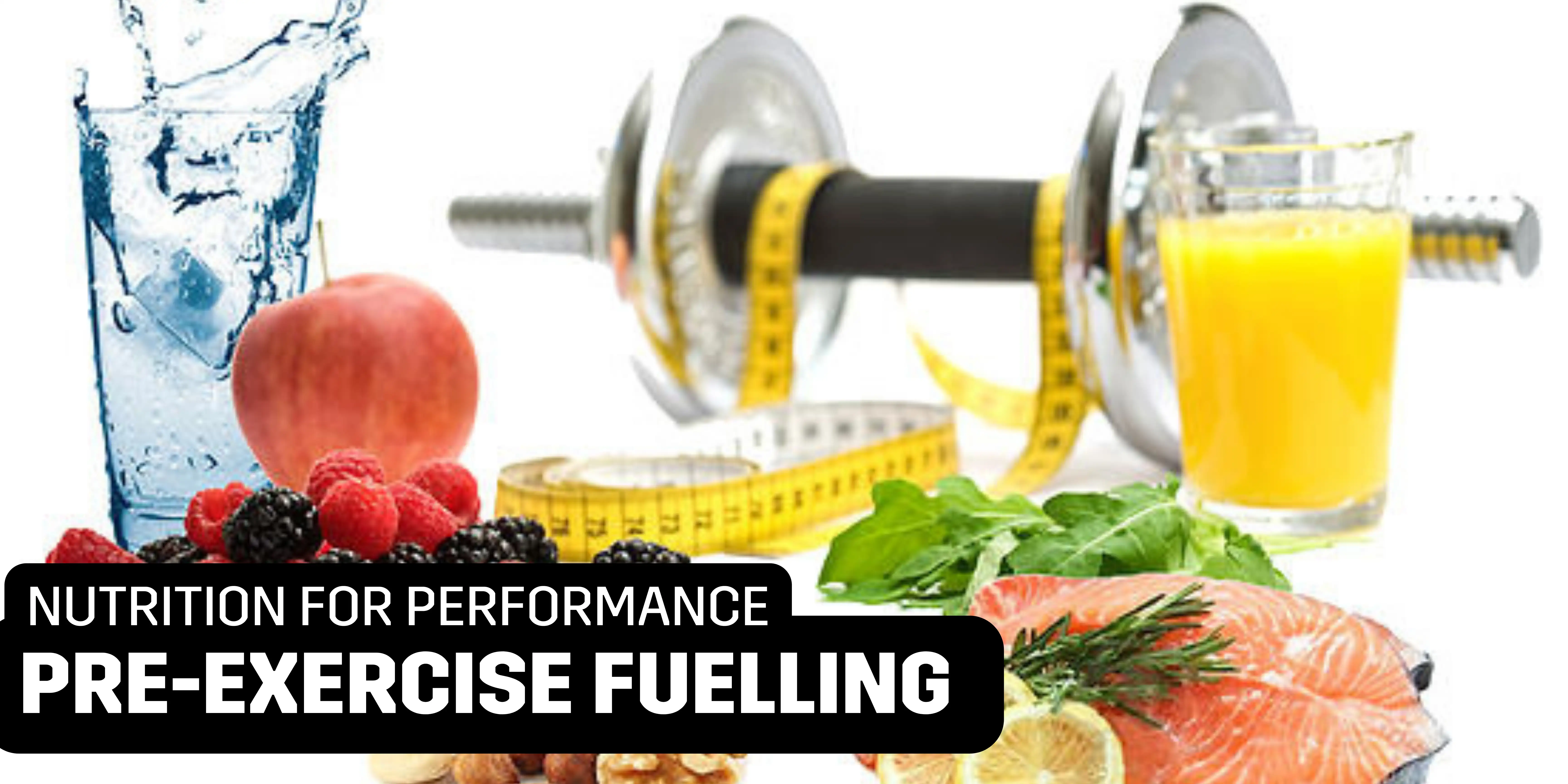
Eating for performance and eating for health are different, but they often overlap. Surprisingly, many athletes aren’t the healthiest individuals. For most people who exercise, there’s a balance between eating for overall health and adopting habits that enhance exercise performance.
In this week’s blog, we’ll focus on fueling for exercise. Even if performance isn’t your priority, what you eat before a workout can greatly benefit your exercise routine.
Understanding Our Energy Systems
We have three main energy systems that fuel our exercise:
- Phosphocreatine System: Powers short, intense movements like weightlifting or sprints.
- Glycolytic System: Fuels medium to high-intensity exercise using carbohydrates, such as the classes at Perpetua Fitness or a 5k run.
- Oxidative System: Supports slower, lower-intensity exercise using fat, like hiking or endurance events.
You don’t rely on just one energy system during exercise; the intensity of the activity determines which system is used more. For most people, the glycolytic system is key, highlighting the importance of carbohydrates in fueling your workouts.
Why Fueling for Exercise is Important
Regardless of your goal-whether it’s fat loss, muscle gain, or simply staying healthy-it’s important to be fueled for exercise. Proper nutrition allows you to exercise at higher intensities and get the most out of your sessions.
- Fat loss: If you’re in a calorie deficit, eating before exercise helps you train harder and burn more calories overall.
- Muscle gain/performance: Being properly fueled ensures you maximise your strength and endurance.
- General health: You’ll feel better during and after your workout if you’re well-nourished.
Carbohydrates: The Key to Performance
Carbohydrates are stored in the body as glycogen (mainly in muscles and some in the liver). If you’re eating a balanced diet with consistent carbohydrate intake, you likely have enough stored glycogen to fuel your workouts.
- Afternoon/Evening Workouts: If you’ve eaten a carbohydrate-rich meal earlier in the day, an additional snack isn’t necessary but can help if you're feeling hungry or need an extra energy boost.
- Morning Workouts: If you’re exercising fasted, acarbohydrate-based snack beforehand can be beneficial, especially for high-intensity sessions like CrossFit, ride, or sweat classes.
How to Fuel for Exercise
Carbohydrates are the primary fuel source for most workouts, so keeping carbohydrate intake high is important while ensuring you also meet your protein and fat needs. Low-carb diets can make exercise harder due to faster onset of fatigue.
Pre-Workout Snack Ideas: Opt for high-carb, low-fibre, low-fat, and easy-to-digest foods. Some great options include:
- Banana, sports drink, or a Kellogg’s Squares Bar
- Rice cakes, dried fruit, or fruit juice
- Bagel with jam, toast, or a small yogurt with berries
For fat loss, choose slightly more filling options, like a banana instead of a sports drink, to manage hunger.
Aim to consume 30-60g of carbohydrates 30-60 minutes before exercising. If you’re having a meal (breakfast, lunch, or pre-workout meal), aim for 4 hours to 90 minutes before exercise, keeping it lower in fibre and fat for easier digestion.
Important Note for Women: The Effects of Fasted Exercise
Exercising on an empty stomach can negatively impact your performance and your hormones. When you exercise fasted, cortisol (the stress hormone) spikes even higher, which can lead to hormonal imbalances, missed ovulation, and irregular periods.
Pre-Workout Supplements
Pre-workout supplements, particularly those with caffeine, are often unnecessary if your diet is balanced. Caffeine can give you a boost, but it can also affect sleep quality. Ideally, avoid caffeine within the first 60-90 minutes of waking and after midday to ensure better sleep.
Even if you think caffeine doesn’t affect you, it can reduce the quality of your deep sleep, impacting your health and fitness goals.
Fueling your body with the right nutrients before exercise-especially carbohydrates-is key to enhancing performance, burning more calories, and feeling better overall. Choose a pre-workout snack or meal that works for you, and remember to avoid fasted exercise, especially for women.
Latest Articles
What Are Macros? A Simple Guide for Anyone Starting Out
Macros, short for macronutrients, are the three building blocks of everything you eat: protein, carbohydrates ...
Read article
Refuel Right: Good Post Workout Snacks from Mojo
You’ve just finished your workout session at Perpetua. You’re sweaty, you’ve put in the work...
Read article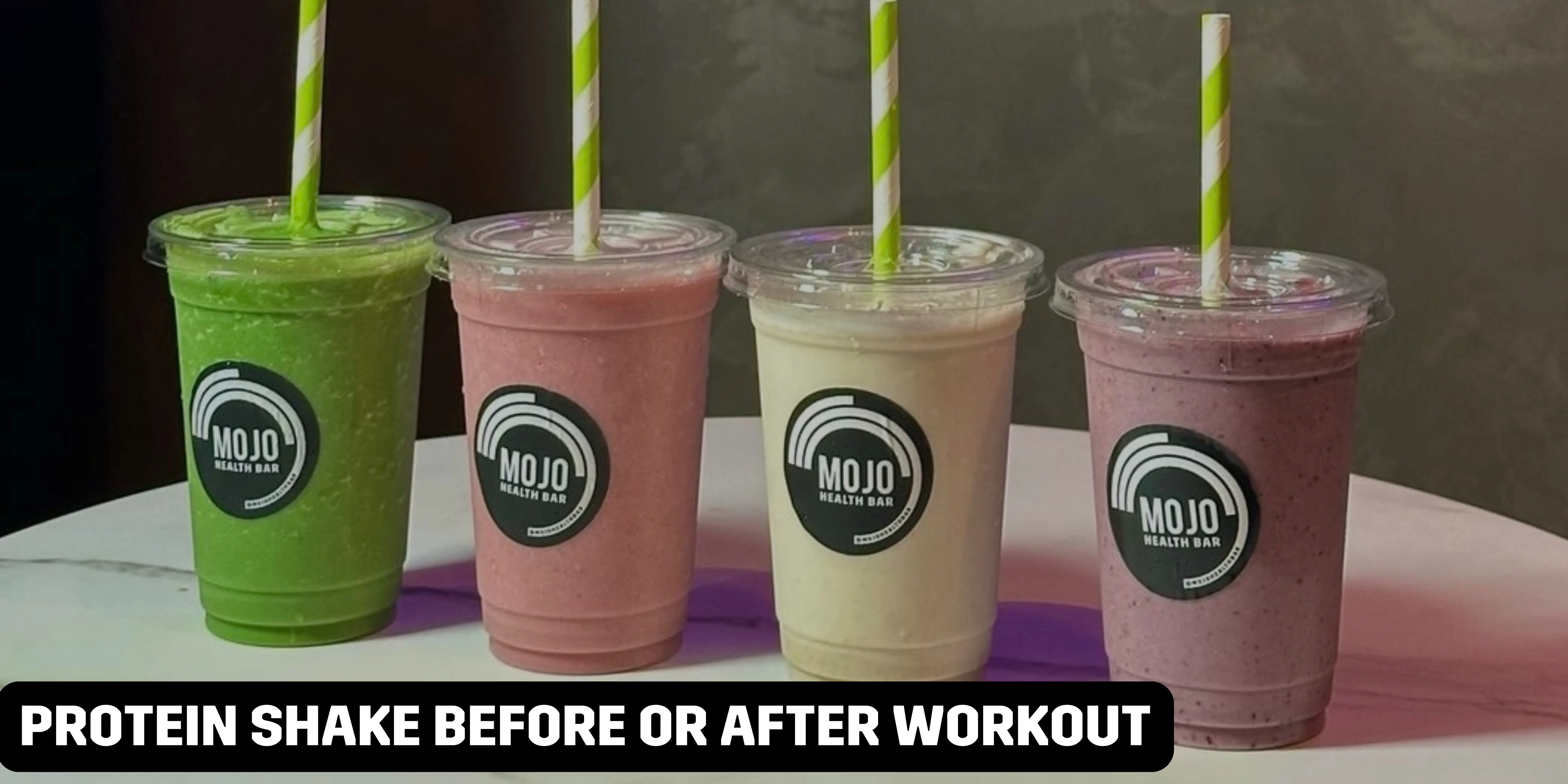
Protein Shake Before or After Workout
The age-old debate of whether to drink a protein shake before or after a workout is a favourite topic among fi...
Read article