8-Week Olympic Weightlifting Programme
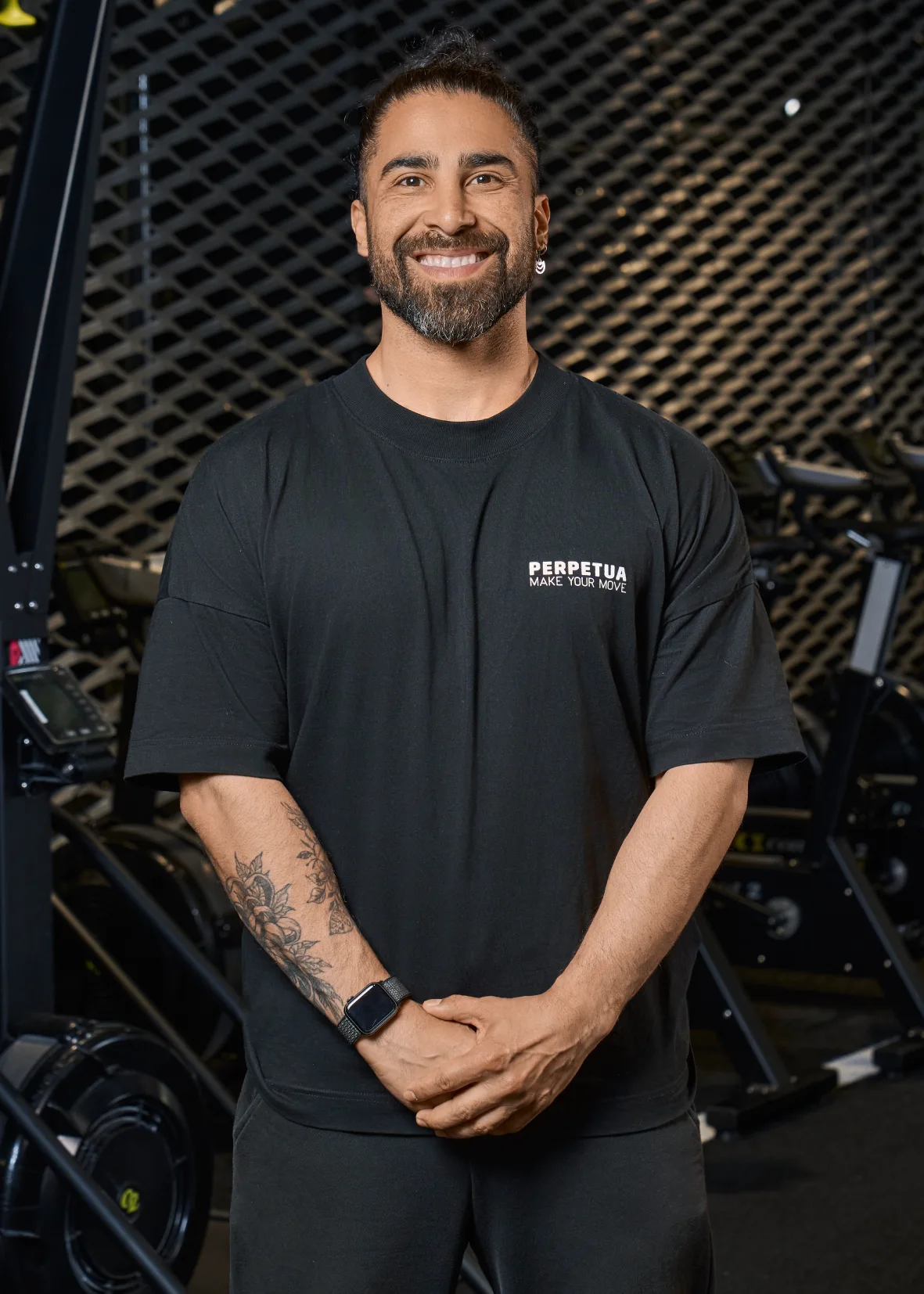
Technical Background & Programme Overview
PROGRAMME OVERVIEW
Purpose of the Olympic Weightlifting Programme
This Olympic Weightlifting Programme is designed to systematically improve maximal strength, explosive power, technical proficiency, and movement efficiency in the snatch and the clean & jerk.
The programme integrates technical development with progressive loading strategies to enhance one-repetition maximum (1RM) performance while supporting long-term athletic development.
The programme is structured to be effective across mixed experience levels, providing scalable technical progressions and intensity prescriptions based on both percentage of 1RM and Rate of Perceived Exertion (RPE).
Primary Goals
- Improve 1RM performance in the snatch and clean
- Enhance explosive power and rate of force development
- Improve technical efficiency and barbell control
- Increase consistency and confidence under maximal and near-maximal loads
Secondary Goals
- Develop positional strength and stability
- Improve motor control and coordination
- Enhance mobility in key joints (ankles, hips, thoracic spine, shoulders)
- Support transfer to athletic performance and daily functional tasks
8-WEEK CYCLE OVERVIEW
Structure of the Cycle
The programme follows a progressive 8-week structure:
- Week 1: Baseline testing (Snatch & Clean 1RM)
- Weeks 2–3: Technical reinforcement & positional strength
- Weeks 4–5: Power development & increased intensity
- Weeks 6: Peak intensity & competition-style execution
- Week 7: Deload week, coordination and technique reinforcement with lighter weights
- Week 8: Retesting & performance evaluation
Each Session Includes
- 3–5 technical and strength blocks
- Skill drills and movement progressions
- Accessory work supporting Olympic lifts
- Prescribed intensities using % of 1RM and RPE
Expected Adaptations Over the Cycle
- Improved bar path consistency
- Increased confidence under heavy loads
- Enhanced timing during extension and pull under
- Improved receiving positions (overhead and front rack)
- Measurable improvements in maximal strength and power output
SNATCH
SNATCH — OVERVIEW
Role of the Snatch in the Programme
The snatch is the most technically demanding lift in the Olympic Weightlifting Programme. It serves as a primary driver of power development, mobility, and motor coordination.
Technical Objective
To accelerate the barbell vertically from the floor and receive it overhead in a stable squat position with maximal efficiency and control.
SNATCH — START POSITION & SETUP
Purpose of the Phase
To establish balance, tension, and alignment for efficient force production throughout the lift.
Technical Description
The athlete positions the bar over the mid-foot with hips above the knees and shoulders slightly over the bar. The spine remains neutral, arms long, and weight evenly distributed through the foot.
Coaching Emphasis
- Consistent start position across repetitions
- Stability before movement initiation
SNATCH — FIRST PULL
Purpose of the Phase
To move the barbell from the floor to knee height while maintaining posture and bar proximity.
Technical Description
The knees extend while the torso angle remains relatively constant. The bar travels close to the body with controlled acceleration.
SNATCH — TRANSITION (SCOOP / DOUBLE KNEE BEND)
Purpose of the Phase
To reposition the body to allow maximal power production in the second pull.
Technical Description
As the bar passes the knees, the athlete re-bends the knees slightly and brings the torso more upright while maintaining bar proximity.
SNATCH — SECOND PULL (EXTENSION)
Purpose of the Phase
To generate maximal vertical force and barbell speed.
Technical Description
The athlete explosively extends the hips, knees, and ankles. The bar remains close, and the shoulders rise as a result of leg drive.
SNATCH — PULL UNDER & TURNOVER
Purpose of the Phase
To actively move under the bar and rotate the arms into the overhead receiving position.
Technical Description
Following full extension, the athlete pulls under the bar, rapidly turning the elbows and locking the arms overhead while descending.
SNATCH — CATCH & STABILIZATION
Purpose of the Phase
To receive and stabilize the bar overhead in the deepest controllable squat position.
Technical Description
The bar is stacked over the mid-foot with locked elbows and active shoulders, allowing for a stable and balanced bottom position.
SNATCH — RECOVERY
Purpose of the Phase
To stand from the overhead squat while maintaining barbell control and balance.
CLEAN & JERK
Technical Background of the Programme
CLEAN & JERK — OVERVIEW
Role of the Clean & Jerk in the Programme
The clean & jerk is the primary expression of maximal strength and power in the Olympic Weightlifting Programme. It allows athletes to lift the heaviest loads while reinforcing force production, positional strength, and overhead stability.
Technical Objective
To lift the barbell from the floor to the shoulders (clean) and then from the shoulders to overhead (jerk) with efficiency and control.
CLEAN — START POSITION & FIRST PULL
Purpose of the Phase
To initiate the lift with proper posture and controlled bar movement.
Technical Description
The clean start mirrors the snatch with a narrower grip. The bar is lifted from the floor while maintaining torso angle and bar proximity. Chest and hips slightly higher than the snatch setup.
CLEAN — TRANSITION & SECOND PULL
Purpose of the Phase
To position the body for maximal force production and bar acceleration.
Technical Description
The athlete re-bends the knees slightly and explosively extends through the hips, knees, and ankles.
CLEAN — PULL UNDER & FRONT RACK CATCH
Purpose of the Phase
To receive the bar in a strong and stable front rack position.
Technical Description
The elbows rotate quickly around the bar as the athlete descends into a front squat, receiving the bar on the shoulders with elbows high.
CLEAN — RECOVERY FROM THE FRONT SQUAT
Purpose of the Phase
To stand from the squat while maintaining an upright torso and secure front rack.
JERK — DIP
Purpose of the Phase
To create vertical force through controlled knee and hip flexion.
Technical Description
The athlete dips straight down with an upright torso and heels grounded. Barbell should be resting over your shoulders.
JERK — DRIVE
Purpose of the Phase
To transfer leg drive into upward bar movement.
Technical Description
The athlete explosively extends the legs, driving the bar upward.
JERK — RECEIVING POSITION
Purpose of the Phase
To receive the bar overhead in a stable split or power position.
Technical Description
The arms lock out overhead while the body moves under the bar, maintaining balance and alignment.
JERK — RECOVERY
Purpose of the Phase
To regain a stable standing position with the bar fully controlled overhead.
Latest Articles
CrossFit Terminology Explained
Walk into a CrossFit class for the first time and it can sound like another language. AMRAP. EMOM. Rx. Fran. ...
Read article
How Often Should You Do CrossFit to Stay in Shape?
If you’ve been wondering, how often should you do CrossFit to stay in shape? you’re not alone. It&...
Read article
How Hyrox is Different from CrossFit
In the world of fitness, both Hyrox and CrossFit have gained massive followings in recent years, offering athl...
Read article