Empowering Women's Health
Your Questions Answered by Experts
Hey everyone!
Have you ever felt like you're stepping into an interview when joining a Q&A session? That's the vibe we're going for today—friendly, relaxed, and all about connecting with you. So, are we feeling good?
Great! Let's chat.
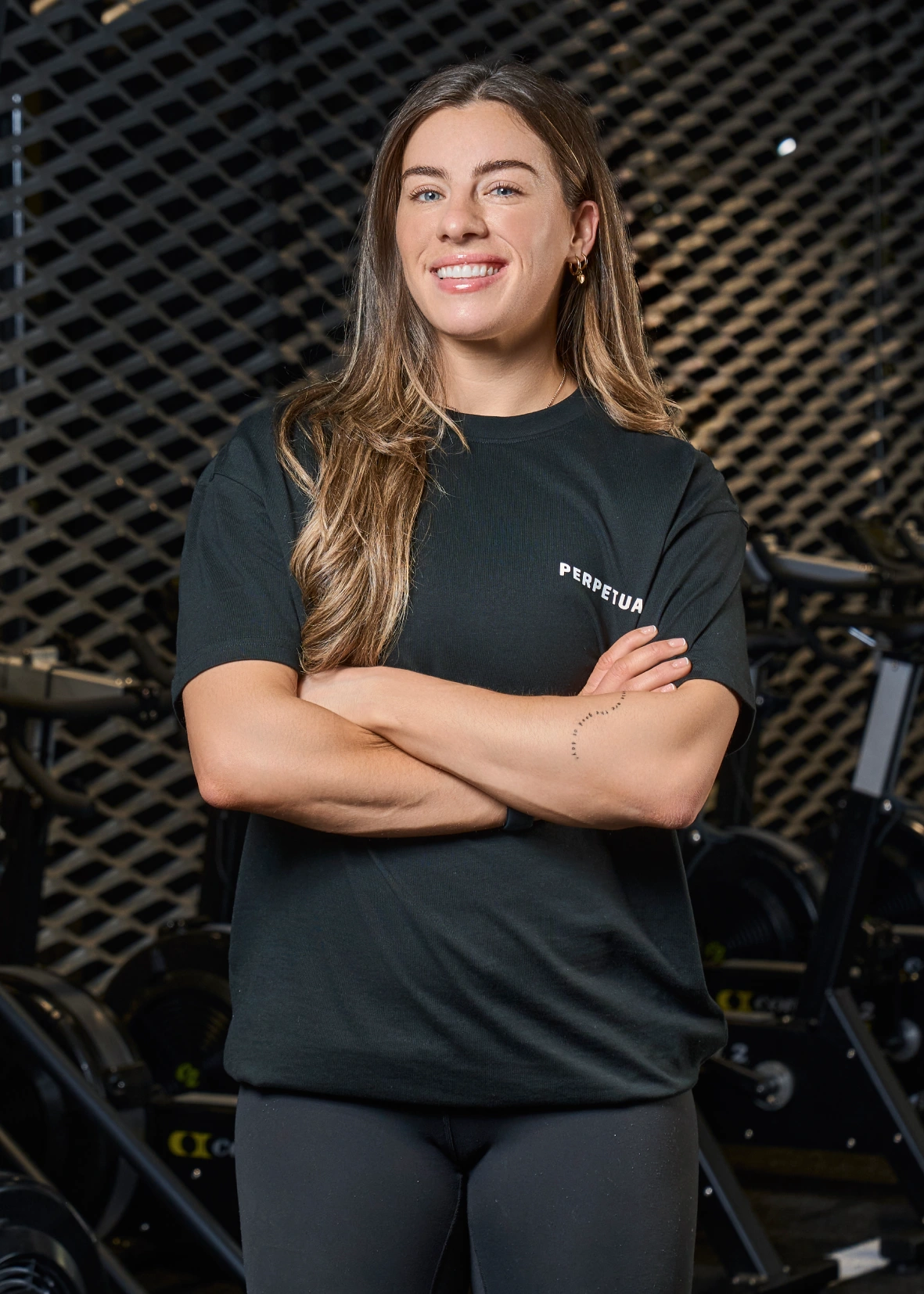
We've got two amazing brand ambassadors here: Ciara McNulty, a savvy registered dietitian, and Dr. Sarah Murphy, who is a wealth of knowledge. They're here to field all your queries about menstrual cycles, training, nutrition—pretty much whatever pops into your head regarding women's health.
To kick things off, let's dive into some questions that you've all sent in.
Dietary Supplements: Do You Really Need Them?
Let's start with a biggie: apart from good nutrition, sleep, and hydration, are there daily supplements you'd recommend for women? Ciara, take it away!
Food first, always. But yeah, there are a couple of essential ones.
In Ireland, during those low-sunlight months from October to March, drop a Vitamin D like it's hot— 10 to 15 mg to be precise. Can't soak up enough sun for natural Vitamin D? No stress, get yourself a spray supplement, or find it in a multivitamin.
Planning a family in the future? Consider a multivitamin with 400 micrograms of folic acid, crucial for women of childbearing age.
Remember, a balanced diet is key, but if you're plant-based or not a fan of fish, don't forget to look into supplementing calcium, iodine, and those omega-3s.
And for everyone—yes, I mean everyone—Vitamin D is your friend and folic acid is your sidekick if baby-making is on the cards. Quick tip on the timing for supplements: don't do it on an empty stomach. Trust me, nausea and multivitamins on an empty stomach do not mix well. Find a time that works for you—perhaps right before bed or after breakfast.
Reading the Signs of Your Menstrual Cycle
Next up, Dr. Murphy enlightens us on the importance of a regular menstrual cycle. It's like your body's sixth vital sign. Irregular cycle? It needs your attention. Stress, sudden life changes, or underlying health issues could be disruptions worth checking into. And definitely don't ignore it if you're on the birth control pill—hormonal contraception might just be hiding what's really up in your body.
Hormonal Contraception: To Cycle or Not to Cycle
"Suppressing your cycle with hormonal contraception—is that okay?"
That's a double-edged sword right there. While it may be okay, Dr. Murphy warns it might cloak a different issue ticking away unnoticed.
Nutrition, Training, and PCOS
Back to Ciara for insights on food and PCOS. It's not just about cysts—it's a hormonal wave pool that's more about how your body vibes with insulin. Complex carbs over simple ones, people! And protein is a non-negotiable at each meal. Remember the balanced plate rule? One-third veggies, one- third protein, one-third complex carbs. Apply that, and you're golden.
Make that fat healthy, too (think olive oil, nuts, seeds, oily fish), and don't shy away from carbs—they just need the right company.
How to Know If You're Ovulating
Curious about ovulation? Dr. Murphy's got a fact check for us: regular periods are a solid hint, but keep an eye on your body's signals—like that change in vaginal discharge. Who knew?
Alright, let's take a breath here! We covered a lot, but there's always more on the horizon. If there's anything bubbling in your mind, don't wait—just ask. We're all about breaking down barriers and having candid conversations around women's health.
Stay tuned for more tips and real talk in Part 2 of our Female Q&A Panel.
Until next time, stay curious and empowered. Take control of your health, one question at a time!
Remember: Knowledge is power—especially when it comes to understanding your body.
Latest Articles
Gym Membership Dublin: What to Look For Before You Sign Up
You can pay €20 a month for a gym in Dublin, or €200. You can sign up for one month or be tied in fo...
Read article
How to Find the Best Gym in Dublin
Search "best gym in Dublin" and every gym in the city claims to be it. Which is no help, because the answer de...
Read article
Private Fitness Classes in Dublin for Hens, Stags and Birthdays
Want a hen party in Dublin that's a bit different? A private fitness class is the answer. Book out the studio ...
Read article